The main types of backlinks are dofollow, nofollow, sponsored and UGC. A dofollow link is an ordinary link with no label. The other three carry a rel label that tells Google the link is a paid placement, user-generated content, or a link the site does not want to vouch for.
One fact most guides blur: “dofollow” is not an official attribute. Google’s own documentation lists only sponsored, ugc and nofollow. This guide explains what each type means, how to mark your own links, and what each type is worth to a small business. It builds on our guide to what link building is.
What are the types of backlinks?
A backlink is a link from another website to yours. Backlinks are grouped by the label in their code:
- Dofollow. No label. A normal link.
- Nofollow. Labeled
rel="nofollow". - Sponsored. Labeled
rel="sponsored". - UGC. Labeled
rel="ugc".
The label is set by the site that publishes the link, not by you. That is why it helps to know what each one means before you ask for a link or buy one.
Dofollow backlinks
A dofollow link is simply a link without any rel label. Google’s documentation does not mention a “dofollow” value. It says ordinary links need no qualification. SEO professionals use the word as shorthand for “a normal link that can pass ranking credit.”
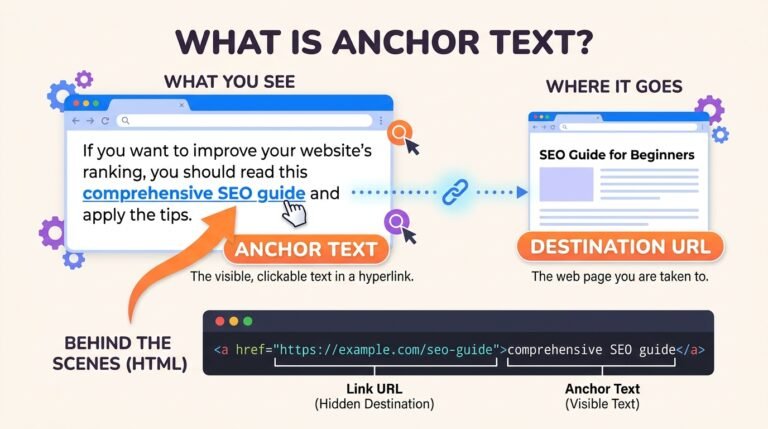
This is the type most people want, and the type most editors give when they link to a source they trust in the body of an article. It looks like this:
<a href="https://example.com/roof-repair-guide/">roof repair guide</a>Because an ordinary link can pass ranking credit, Google’s spam policies treat paid or traded ordinary links as link spam. We cover that in the sponsored section below.
Nofollow backlinks
A nofollow link carries rel="nofollow". Google’s guidance on qualifying outbound links says to use it when the other labels do not apply and you do not want Google to associate your site with the linked page. Links with these labels will generally not be followed, though Google may still reach the page by other routes, such as a sitemap or links from other sites.
<a href="https://example.com/" rel="nofollow">example</a>Sites use nofollow for many reasons: links they cannot vouch for, links in widgets, or links added by a plugin setting. A nofollow link from a trusted local news site can still send you visitors and get your name seen, even if it passes little search credit.
Sponsored backlinks
A sponsored link carries rel="sponsored". Google says to use it for advertisements and paid placements. It prefers sponsored for paid links, though nofollow is still acceptable.
<a href="https://example.com/" rel="sponsored">example</a>This label matters for anyone who buys placements. Google’s spam policies list buying or selling links that pass ranking credit as link spam, and they say paid links for advertising are acceptable when marked nofollow or sponsored. If you pay a site to publish an article or add your link, ask for the label. We compare the options in free vs. paid guest posting. The same rule applies to paid link insertions; see what is link insertion.
UGC backlinks
UGC means user-generated content. Google says to use rel="ugc" for links in material that visitors create, such as comments and forum posts. A site can drop the label for members who have consistently contributed high-quality content.
<a href="https://example.com/" rel="ugc">example</a>If you leave your link in blog comments or forum signatures, expect it to be labeled UGC or nofollow. Posting optimized links in comments and signatures is also on Google’s list of link spam examples, so add links there only when they genuinely help the reader.
Dofollow vs. nofollow vs. sponsored vs. UGC at a glance
| Type | Label in the code | Used for | Typical source | Risk if misused |
|---|---|---|---|---|
| Dofollow | None | Editorial links the site vouches for | Articles that cite a useful page | Paid or traded ordinary links count as link spam |
| Nofollow | rel="nofollow" |
Links the site does not want to vouch for | Directories, widgets, some news sites | Low. Not harmful by itself |
| Sponsored | rel="sponsored" |
Ads and paid placements | Sponsored posts, paid insertions | Low when labeled. Spam if a paid link is not labeled |
| UGC | rel="ugc" |
User-generated content | Comments, forums | Optimized links in comments can count as spam |
Labels can be combined. Google’s guidance shows values separated by a space or a comma, such as rel="ugc nofollow".
Are nofollow links worthless?
No. They may pass little or no ranking credit, but they can still be useful:
- Referral traffic. Readers can click them like any other link.
- Brand awareness. A mention on a respected local site puts your name in front of customers.
- A natural link profile. Real sites earn a mix of link types. A profile made only of ordinary links from paid placements looks manufactured.
- A path to better links. An editor who sees your business through a nofollow mention may link to you in a later article.
Do not turn down a relevant opportunity only because of its label. Do turn down a link whose only purpose is to pass credit through a purchase you will not label.
How to mark your own links
If you publish links to other sites, mark them correctly. In HTML, add a rel attribute to the link:
| Situation | Add |
|---|---|
| Ad, sponsorship or paid placement | rel="sponsored" |
| Comments and forum posts on your site | rel="ugc" |
| A link you do not want to vouch for | rel="nofollow" |
| A comment link you also do not want to vouch for | rel="ugc nofollow" |
Many content management systems and SEO plugins add these labels with a toggle in the link editor. If you use WordPress, check your link dialog before you write the HTML by hand.
How to check what type of link you got
You can check any link for free in your browser:
- Open the page that links to you.
- Right-click the link and choose Inspect.
- Look at the highlighted code. If you see
rel="nofollow",rel="sponsored"orrel="ugc", that is the type. If there is norellabel, it is an ordinary (dofollow) link.
When you are vetting a site before you pitch, check a few of its outgoing links the same way. Our site quality scorecard explains what else to look for.
Worked example: a Phoenix HVAC company
This is an illustration, not a client case. A Phoenix heating and cooling company earns five links in a quarter.
- A local home blog publishes its guest article and links to a service guide in the body. No label, so it is an ordinary link.
- The chamber of commerce lists the company in its member directory with
rel="nofollow". - A neighborhood forum thread mentions the company and links to it, labeled
rel="ugc". - The company sponsors a youth baseball team, and the team’s site links to it with
rel="sponsored". - A regional news site mentions the company in a story and links with
rel="nofollow".
Only one of the five is an ordinary editorial link. The other four still bring visitors, local trust and a believable link profile. The company does not ask the team’s site to remove the sponsored label, because that would break Google’s guidance for paid links.
Which type should you aim for?
For most small businesses the order of priority is:
- Relevant editorial links. Ordinary links in articles a real audience reads.
- Local and community links. Many will be nofollow. They still build trust and traffic.
- Labeled paid placements. Fine for reach, when marked
sponsored. - UGC links. Low priority. Add them only where they help readers.
If you want editorial links without doing the prospecting yourself, we place articles and links on sites we have already checked, and we recommend marking paid links as sponsored. See our guest post and link insertion service. To judge any offer, use our guide to what makes a good backlink.
Frequently asked questions
What are the 4 types of backlinks?
Dofollow, nofollow, sponsored and UGC. Dofollow is an ordinary link with no label. The other three use the rel values nofollow, sponsored and ugc.
Is dofollow an official attribute?
No. Google’s documentation lists only sponsored, ugc and nofollow. “Dofollow” is everyday shorthand for a link without those labels.
Do nofollow links help SEO?
Google says links with these labels will generally not be followed, so do not count on them for ranking credit. They can still bring visitors and brand awareness, and a natural profile includes them.
What is the difference between sponsored and nofollow?
Both tell Google not to treat the link as an endorsement. sponsored says the link is paid or an ad. nofollow is general. For paid links Google prefers sponsored, and says nofollow is still acceptable.
Can I use more than one rel value?
Yes. Google says to separate values with a space or a comma, for example rel="ugc nofollow".
How do I know if a backlink is dofollow?
Right-click the link, choose Inspect, and read the code. If there is no rel="nofollow", rel="sponsored" or rel="ugc", it is an ordinary link.
The short version
There are four common types of backlinks. Ordinary links carry no label, and the other three are marked nofollow, sponsored or ugc. Chase relevant links, mark paid links honestly, and do not dismiss a link because of its label.
For the bigger picture, read our guide to link building for business websites, or let us handle the placements through our guest post service.